Understanding Pier-and-Beam Construction in Monte Vista and King William
Monte Vista and King William are two of San Antonio's most charming historic neighborhoods, known for their distinctive pier-and-beam bungalows built in the early 1900s. Unlike modern homes with concrete slab foundations, these classic structures rest on wooden posts or concrete piers that elevate the house several feet above the ground. This design was practical for its time, allowing air circulation underneath the home and accommodating the region's clay soil conditions.
However, pier-and-beam construction creates unique insulation challenges that modern homes don't face. The crawl space beneath these bungalows is often uninsulated or poorly insulated, allowing unconditioned air to flow directly into living spaces through gaps in the floor. This design flaw means homeowners in these neighborhoods lose significant heating and cooling efficiency, particularly during San Antonio's hot summers and mild winters. Understanding your home's foundation type is the first step toward making an informed decision about whether Attic Spray Foam Insulation or other solutions make sense for your property.
Is Spray Foam Insulation Worth It for Historic Homes?
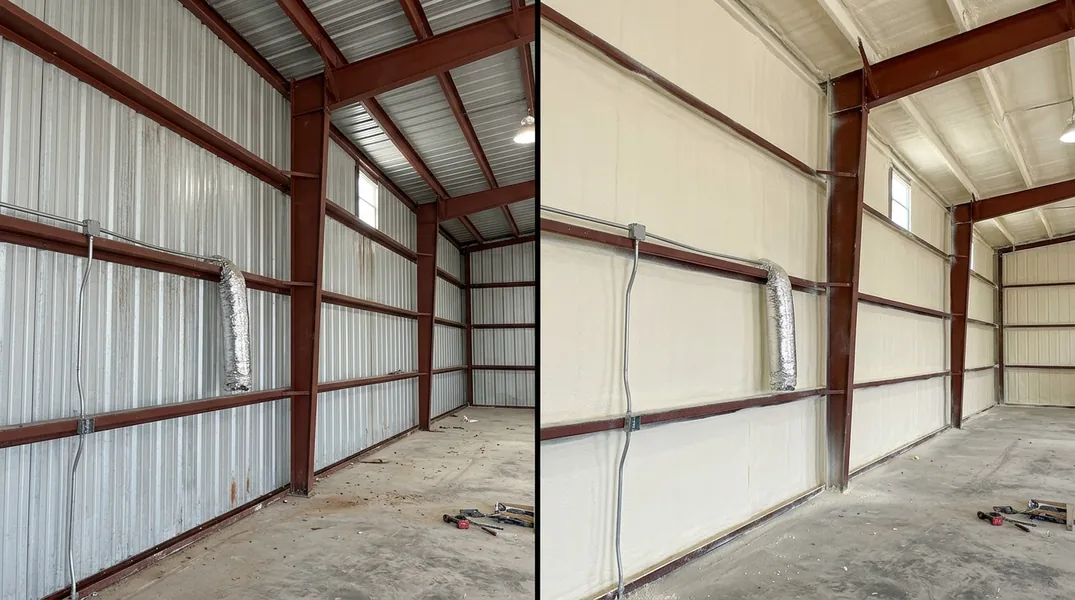
The question of whether spray foam insulation is worth the investment depends heavily on your specific situation. For pier-and-beam bungalows in Monte Vista and King William, the answer is often yes, but with important caveats. Spray foam excels at sealing air leaks and creating a continuous thermal barrier, which is exactly what these older homes need. When applied to the underside of floor joists or around the perimeter of a crawl space, spray foam can dramatically reduce the amount of unconditioned air entering your living spaces.
The real value comes from understanding your home's current energy performance. Many homeowners in these neighborhoods report that their utility bills spike during peak seasons because their pier-and-beam foundations allow so much air infiltration. Closed Cell Spray Foam Insulation is particularly effective in crawl spaces because it provides both insulation and air sealing in a single application. Over a five to ten year period, the energy savings often justify the upfront pricing, especially if you plan to stay in your home long term. However, if you're planning to sell within a few years, the return on investment may be less compelling.
Is Spray Foam Insulation Safe? Addressing Health and Safety Concerns
Safety is a legitimate concern when considering any insulation upgrade, and homeowners should understand both the real risks and the myths surrounding spray foam. The primary safety consideration involves off-gassing during and immediately after installation. When spray foam is first applied, it releases volatile organic compounds (VOCs) as the chemical reaction occurs. This is why professional installers require proper ventilation during application and recommend that occupants leave the home for 24 to 48 hours after installation. Once fully cured, properly installed spray foam poses minimal health risks to occupants.
The key word here is properly installed. Open Cell Spray Foam Insulation is particularly important to install correctly because it's more permeable than closed cell foam and requires careful application to avoid moisture issues. Hiring a licensed, experienced contractor who follows industry standards is essential. In historic neighborhoods like Monte Vista and King William, you'll want a contractor familiar with older construction methods and potential complications like asbestos in original insulation materials. Always ask your contractor about their safety protocols, including ventilation procedures, protective equipment, and post-installation verification that off-gassing has subsided.
Common Spray Foam Insulation Problems and How to Avoid Them
Despite its benefits, spray foam insulation does have documented problems that homeowners should understand before committing to installation. One of the most common issues is improper application leading to incomplete coverage or uneven density, which reduces effectiveness and can create cold spots. Another significant concern involves spray foam off-gassing persisting longer than expected if ventilation is inadequate during curing. Some homeowners report lingering chemical odors weeks after installation, which indicates the installation wasn't handled correctly.
Moisture management is another critical issue, particularly in crawl spaces beneath pier-and-beam homes. If moisture enters the crawl space from the ground or through foundation cracks, and closed cell foam is applied without proper vapor barriers or drainage solutions, you can trap moisture against wood framing, potentially leading to mold or wood rot. Additionally, some homeowners have experienced problems with foam shrinkage over time or adhesion failures if the substrate wasn't properly prepared. To avoid these problems, work with a contractor who performs a thorough site inspection, addresses moisture sources before foam application, uses appropriate foam types for your specific situation, and provides documentation of their work. Request references from homeowners in historic neighborhoods with similar foundation types.
Spray Foam Insulation Pros and Cons: The Complete Picture
Understanding the complete list of advantages and disadvantages helps you make an informed decision. The primary advantages of spray foam for pier-and-beam homes include superior air sealing that traditional batts or blown insulation cannot match, high R-value per inch of thickness, and the ability to fill irregular spaces common in older construction. Spray foam also provides structural reinforcement and can help reduce noise transmission. For homeowners dealing with the drafty conditions typical of Monte Vista and King William bungalows, these benefits can be transformative.
The disadvantages are equally important to consider. Spray foam typically costs more upfront than traditional insulation methods. It requires professional installation, which means you can't DIY the project. Once applied, it's difficult and expensive to remove if you need to access utilities or make repairs later. The environmental impact of spray foam production and the off-gassing concerns we discussed earlier are legitimate drawbacks for some homeowners. Additionally, spray foam can be problematic if your crawl space has existing moisture issues that aren't addressed first. For pier-and-beam homes, the best approach often involves a comprehensive strategy: address moisture sources, improve drainage, consider Wall & Injection Foam Insulation for wall cavities if needed, and then apply spray foam to crawl spaces and band joists where it provides maximum benefit.
Getting Professional Guidance for Your Historic Home
Given the unique characteristics of pier-and-beam bungalows in historic neighborhoods, professional assessment is invaluable. A qualified insulation contractor should perform a blower door test to identify where air leaks are occurring, assess crawl space conditions including moisture levels and existing insulation, and evaluate whether spray foam or alternative solutions best suit your home. For homes in Monte Vista and King William, you'll want a contractor experienced with historic construction who understands local building codes and the specific challenges these older homes present.
San Antonio Spray Foam Insulation serves homeowners throughout the region and has extensive experience with pier-and-beam properties. Whether you're concerned about energy efficiency, wondering about spray foam safety, or trying to understand the trade-offs between different insulation approaches, a professional evaluation is the best first step. Contact us at (830) 429-5826 or request a free estimate to discuss your home's specific needs. We can answer your questions about spray foam off-gassing, help you understand realistic costs for your project, and recommend the best solution for maintaining both the character and comfort of your historic home.
Looking for a professional spray foam insulation contractor in San Antonio? San Antonio Spray Foam Insulation responds fast for all your spray foam insulation needs.
Get a Free Quote